Sport UK

Every sports governing body collects data. But having data is not the same as having the evidence needed to make better decisions. Before collecting more, organizations should ask whether the data they already have are fit for purpose, connected to the broader picture, and reaching the people making the decisions.

Every summer, Premier League clubs take the opportunity to rebuild. Squads are reshaped, staff restructured and pre-season plans redrawn. Yet one relationship often escapes review: the partner measuring the value of their sponsorships. This article examines four common myths about changing sponsor valuation agency and why those fears may not survive a well-run transition.
The latest Women’s Sport Trust Visibility Report, 'The Battle for Attention', with broadcast analysis from GSIQ, highlights record streaming levels, continued audience growth and new opportunities for women’s sport. Beyond the headline figures, five insights reveal what rightsholders and governing bodies can learn about attention, momentum, content strategy, athlete visibility and mixed-gender events.
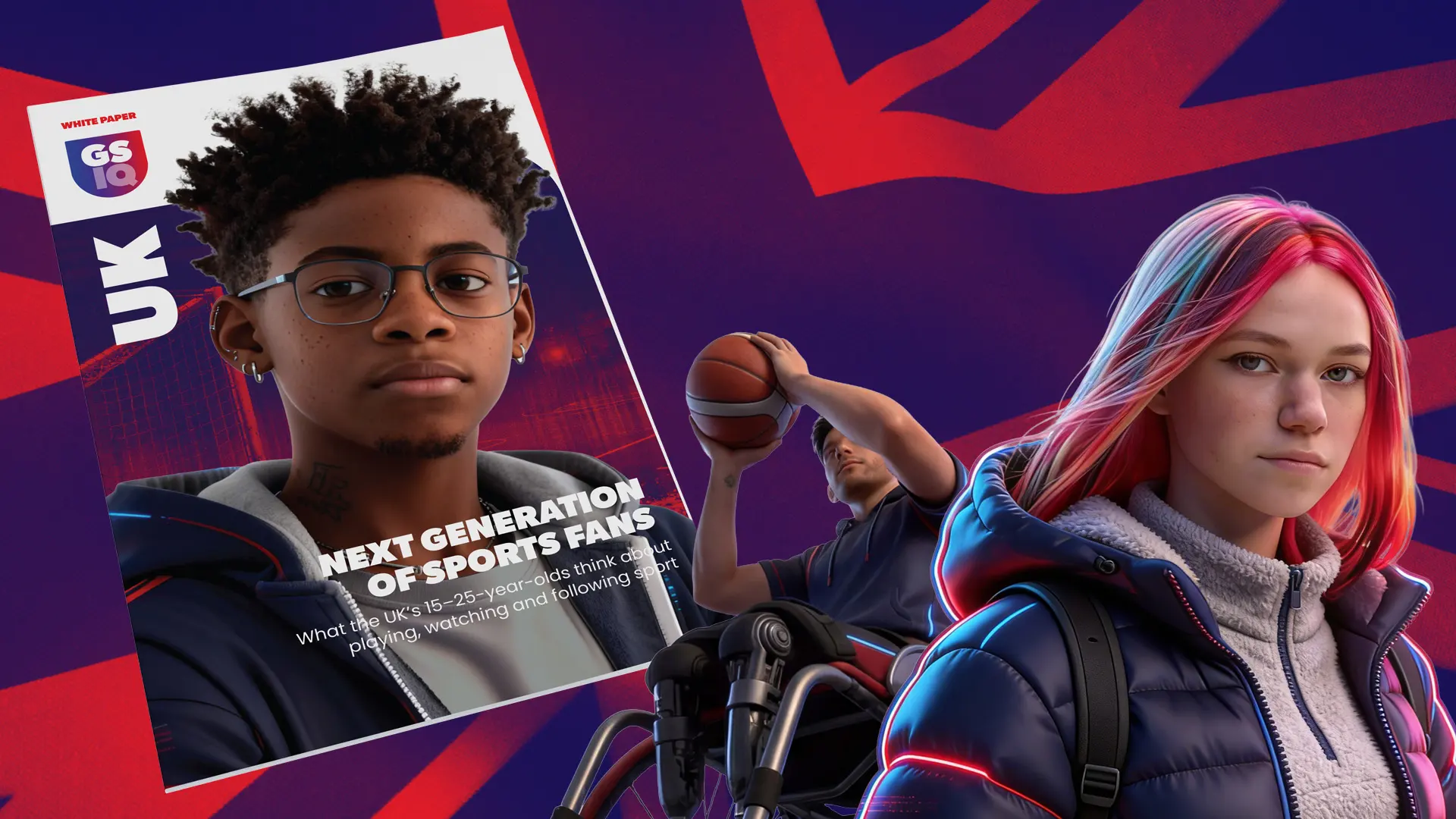
GSIQ’s latest global research into the next generation of sports fans reveals how young people in the UK engage with sport both as participants and fans. Based on research across 11 international markets, the UK white paper explores sports participation, fandom drivers, media consumption habits, reasons for quitting sport, sponsorship perceptions and the future appetite for sport among 15–25-year-olds.

Wimbledon attracts more than elite tennis players - it also attracts a commercially valuable audience of international travellers. Using TACTIQ, GSIQ's consumer travel tracker, we compared intended Wimbledon attendees with other international travellers and found they are younger, more affluent, more likely to travel with partners and children, stay longer, spend more on premium accommodation and travel upgrades, and actively seek culture and experiences alongside sport. They are also heavy users of AI travel planning tools and many have yet to decide where their next holiday will be.

We asked 5,000 young people across 11 markets one big question: what will it take to make you a sports fan? Our first findings from the UK and U.S. reveal what drives fandom, where sports are successfully converting participants into fans, and what barriers prevent deeper engagement. The research explores the gap between casual fans and superfans, and highlights what young people say would make them more connected to sport in the years ahead.
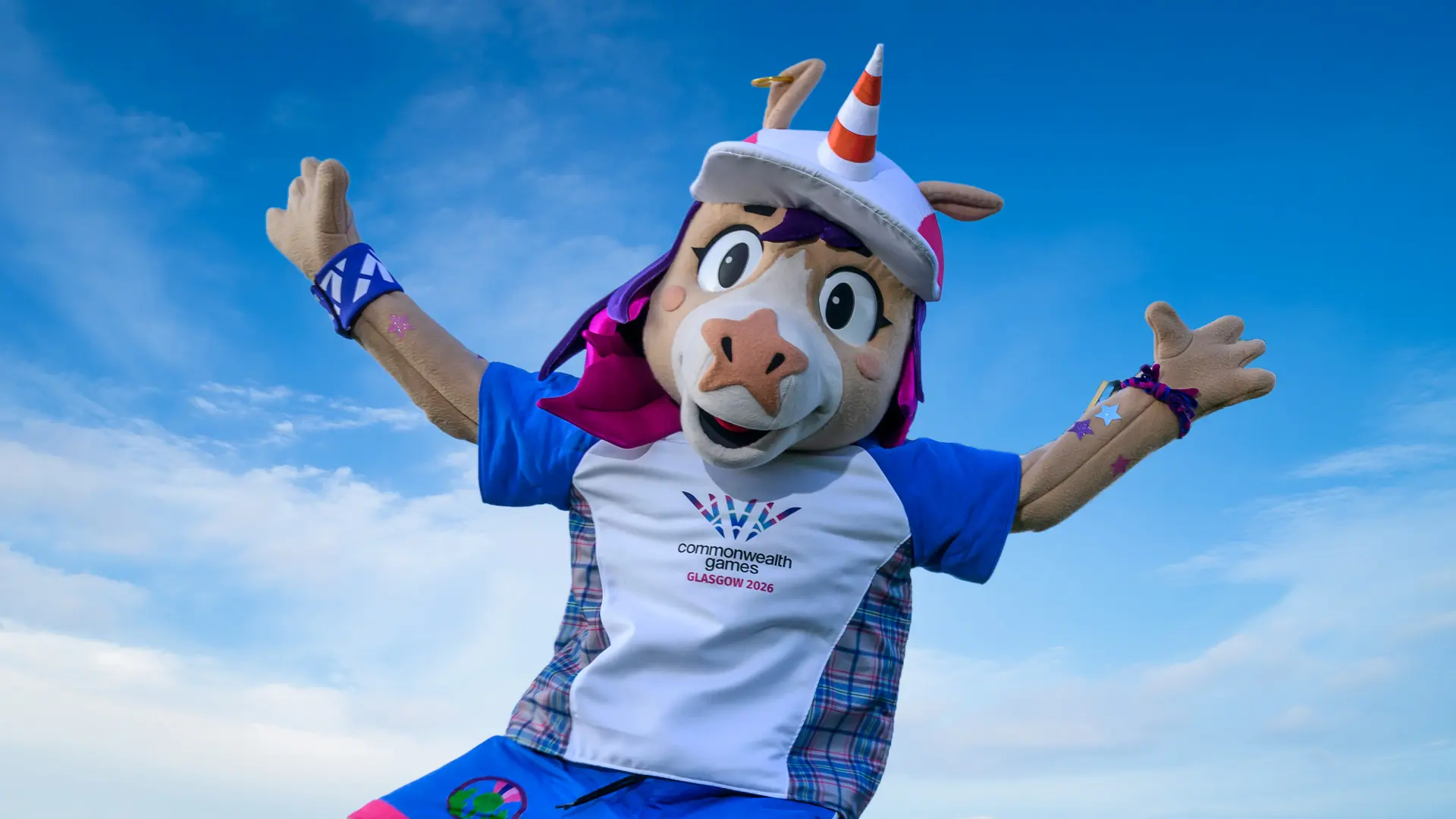
With the Glasgow Commonwealth Games approaching, GSIQ’s TACTIQ travel data reveals a young, affluent and family-oriented audience that is still actively making travel decisions. The findings highlight strong demand for premium accommodation, broader leisure experiences beyond sport, and a significant opportunity for destinations, hospitality providers and rights holders to engage high-value travellers before bookings are finalised.

Few things concentrate the mind of a sponsorship manager quite like a cancelled competition. Whether caused by extreme weather, geopolitical instability or, as seen in 2020, a global pandemic, the removal of an event from the calendar creates immediate commercial questions. As recent disruption linked to the Middle East has shown, the impact is not limited to the race itself. While Covid exposed the fragility of sponsorship models built around live spectacle, it also highlighted the value of content, community and digital infrastructure in maintaining sponsor value when events cannot take place