16 July 2026·GSIQ Insight··

Five things you might have missed in Women’s Sport Trust’s ‘The Battle for Attention’ report

You may have already seen the headlines of the latest Women’s Sport Trust’s Visibility Report, which GSIQ helped to present this month.

The headlines are positive: record streaming levels, another record-breaking Women’s Six Nations, and continued proof that women’s sport is competing for attention. But some of the most useful insight can sit a layer beneath the front page.

Here are five things you might have missed  and what they mean for rightsholders and governing bodies.

TAKEAWAY 01

Football leads on volume, but the spotlight is wonderfully spread

Football is the most-watched women’s sport on UK television, taking 57% of all viewing hours – so you’d assume it owns the conversation. It doesn’t. Of the ten biggest broadcast moments of the year so far, football claimed just three. The rest were shared across winter sports, rugby union and even rowing, with the Women’s Big Air finals topping the chart outright.

It’s a real strength of the UK market that must-watch moments aren’t locked inside one property or a single sport. A freestyle skier or a fly-half can own the biggest moment of the year as readily as a striker.

For rightsholders: consumption share and cultural cut-through aren’t the same thing. If you’re outside football, a single breakout event can lift your sport to the top of the chart, whatever your size.

TAKEAWAY 02

If you don’t plan for a post-tournament bounce, you might not see one

After Euro 2022, the Lionesses averaged a TV audience of 1.26mn for their next run of fixtures. After Euro 2025 that went down 48% to 651k. Meanwhile the Women’s Six Nations converted last year’s Rugby World Cup momentum into all kinds of records: coverage, viewing hours and a new peak audience of 2.04m.

The difference can be luck, but it can also be planning. The standout post-2022 fixture – England v USA, (3.1m) – offered marquee opposition, a prime slot and main-channel coverage. Much of the post-2025 schedule sat on ITV4 with midweek kick-offs. That made it more difficult to parlay Euros exposure into longer term viewing habits.

For rightsholders: plan the six months after a major tournament with the same rigour as the tournament itself. Fixture quality, kick-off times and channel placement contribute to whether momentum builds or evaporates.

TAKEAWAY 03

The WTA flooded the zone – and its paying off handsomely

The WTA published more content, across more platforms, than any other global women’s property this year. Rather than rationing output or waiting for perfection, the tour went for volume and consistency – and the results vindicate that strategy. It tops the charts for YouTube video views (137m) and posted a 266% year-on-year jump in Instagram engagement.

For rightsholders:  cadence can still be a strategy in its own right. Consistent, high-volume output keeps a property permanently in the feed and gives the algorithms more chances to find a hit. Too many rightsholders don’t treat their content engine as core infrastructure.

TAKEAWAY 04

Women’s teams are highly relatable – but still need star power

Ask the public what they associate with women’s teams and the answers are almost a sponsor’s wish list: the WSL outscores the Premier League on inspirational (37% vs 22%), progressive (38% vs 15%) and inclusive (31% vs 20%), and England’s women are seen as trailblazing by 33% against 2% for the men. But one telling exception is: “has star players” – WSL 36% vs the EPL’s 60%.

That gap is also visibly closable. In rugby, for example, Ellie Kildunne featured in four of the five most-viewed PWR TikToks of the season, so individual faces are already doing heavy lifting. We just need more of them.

For rightsholders: investing in athlete-led content and the last gap in the perception data closes on its own – leading to much more valuable rights.

TAKEAWAY 05

Mixed events are women’s sport’s biggest shop window

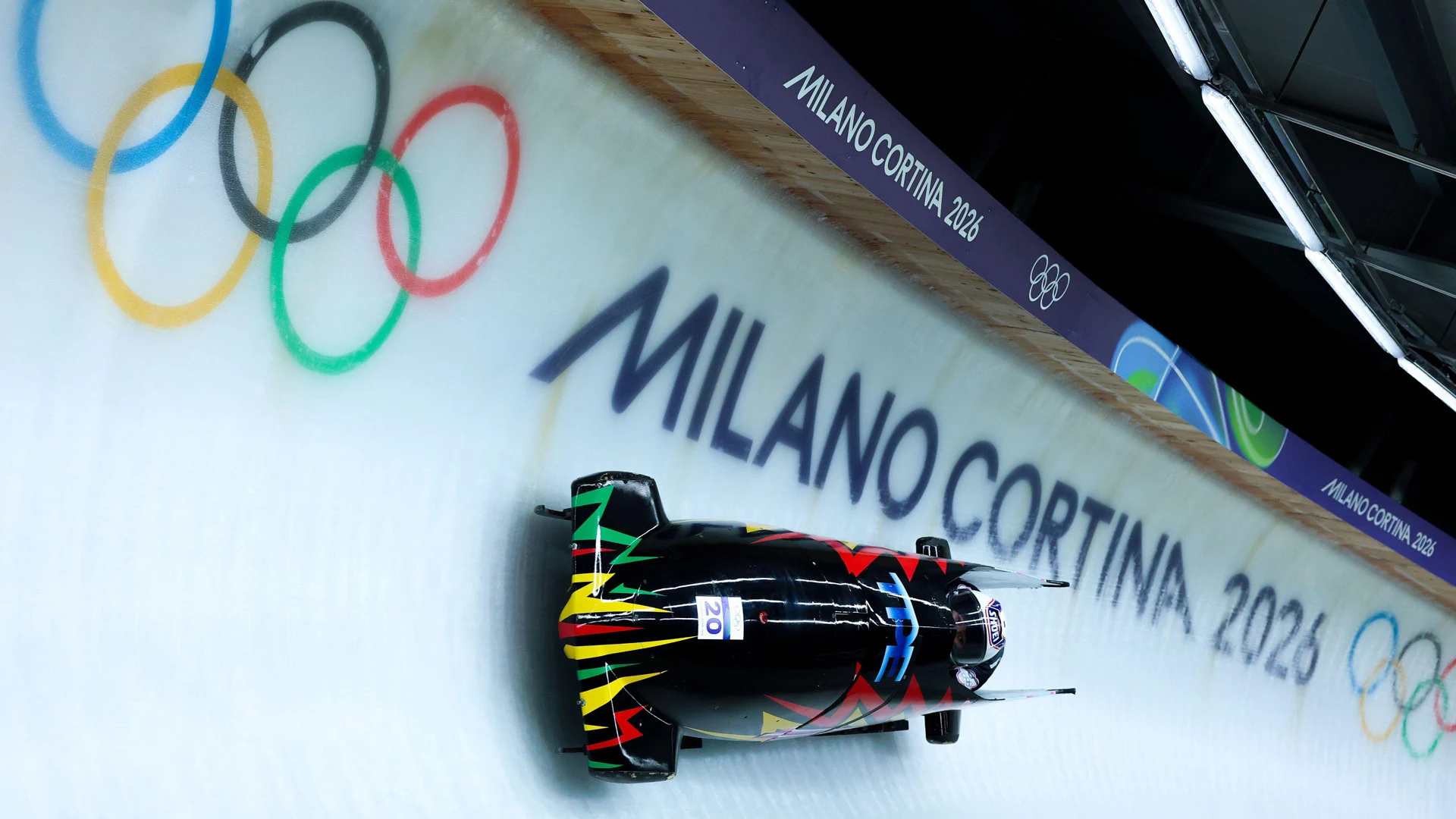
The Winter Olympics quietly did more for women’s sport visibility than almost anything else in the period. At mixed-gender mega-events, women’s sport frequently leads. Female athletes drove much of the organic conversation around Milano Cortina, female Team GB athletes dominated TikTok output and views, and even in bobsleigh, female athletes accounted for 46% of all views under the event hashtag. When women compete on the same global stage, they win a more equal share of attention.

For rightsholders and governing bodies: put a deliberate capture-and-convert plan around every mixed-gender event. These tournaments deliver an enormous, ready-made audience – the opportunity is to bridge those fans onward to standalone women’s competitions while interest is at its peak.

Pull the threads together and the picture is encouraging.

Women’s sport is making moments across more sports than ever, holding a communal core among the audiences that matter most, and rewarding the properties bold enough to back their content. The attention is there. The work now – a good problem to have – is converting it into habits that stick.

Download Full Reports

The Women’s Sport Trust (WST) is a pioneering and visionary charity which has been at the forefront of driving change within women’s sport for more than a decade. WST aims to make women’s sport more visible, viable and unstoppable using industry-leading insight, forward-thinking campaigns and is a champion of role models. It is the leading UK charity focused on using the power of sport to accelerate gender equality and stimulate social change.

Registered charity number 1153429 www.womenssporttrust.com

Women’s Sport Trust Research Membership, ‘Inside Track’, brings you into the conversations shaping how the women’s sport sector understands and responds to visibility. Members are part of the discussion as research is explored, challenged and put into context.

Visit WST website for further details.

Explore GSIQ UK & Europe Insights

GSIQ’s UK & Europe team sits the heart of global sport. View our dedicated page for the latest developments in sport, sponsorship, and data intelligence across the region.