GSIQ Insight

GSIQ’s latest global research into the next generation of sports fans reveals how young people in MENA engage with sport both as participants and fans. Based on research across 11 international markets, the MENA white paper explores sports participation, fandom drivers, media consumption habits, reasons for quitting sport, sponsorship perceptions and the future appetite for sport among 15–25-year-olds.

Every sports governing body collects data. But having data is not the same as having the evidence needed to make better decisions. Before collecting more, organizations should ask whether the data they already have are fit for purpose, connected to the broader picture, and reaching the people making the decisions.
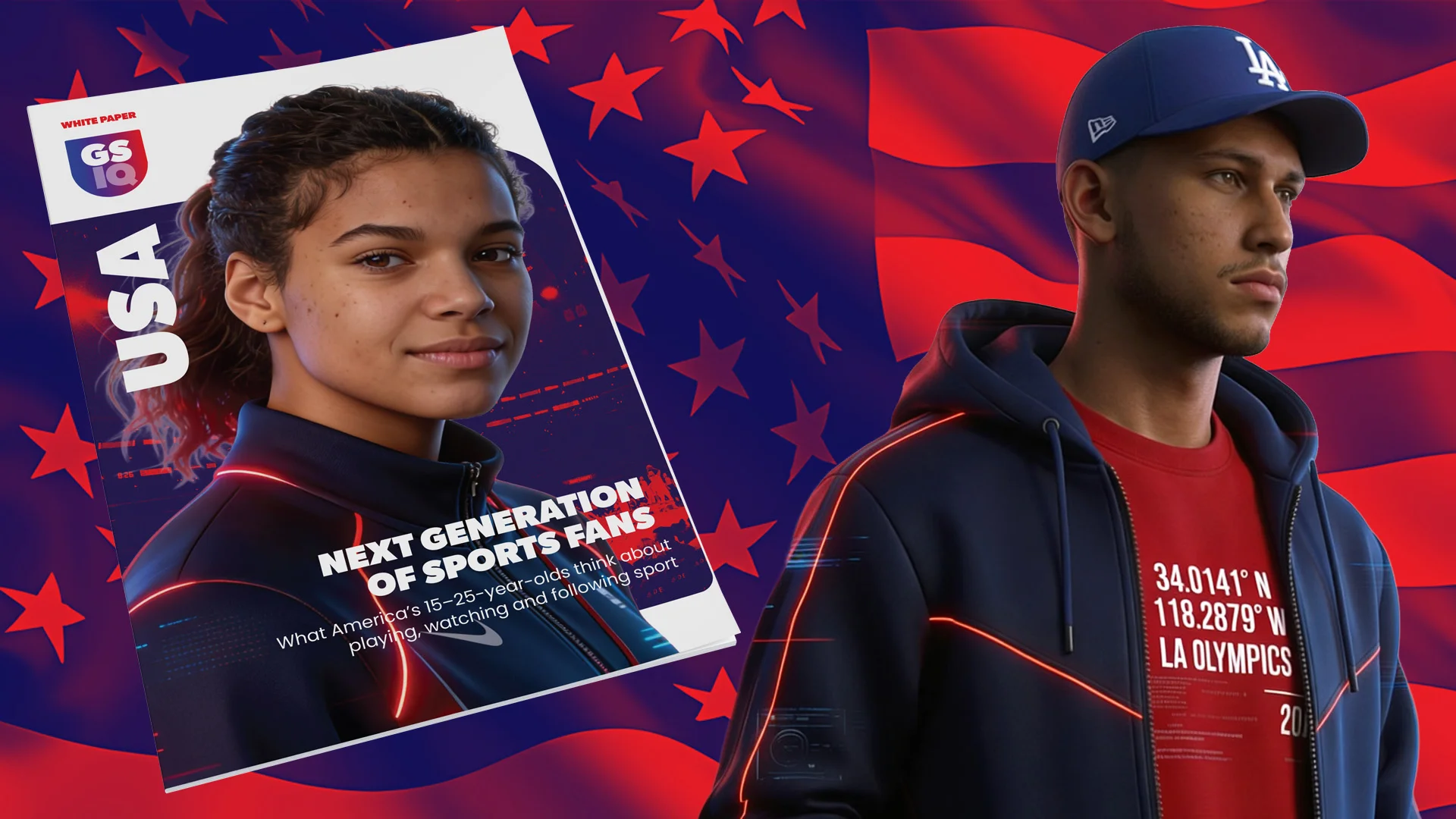
GSIQ’s latest global research into the next generation of sports fans reveals how young people in the United States engage with sport both as participants and fans. Based on research across 11 international markets, the USA white paper explores sports participation, fandom drivers, media consumption habits, reasons for quitting sport, sponsorship perceptions and the future appetite for sport among 15–25-year-olds.

Every summer, Premier League clubs take the opportunity to rebuild. Squads are reshaped, staff restructured and pre-season plans redrawn. Yet one relationship often escapes review: the partner measuring the value of their sponsorships. This article examines four common myths about changing sponsor valuation agency and why those fears may not survive a well-run transition.
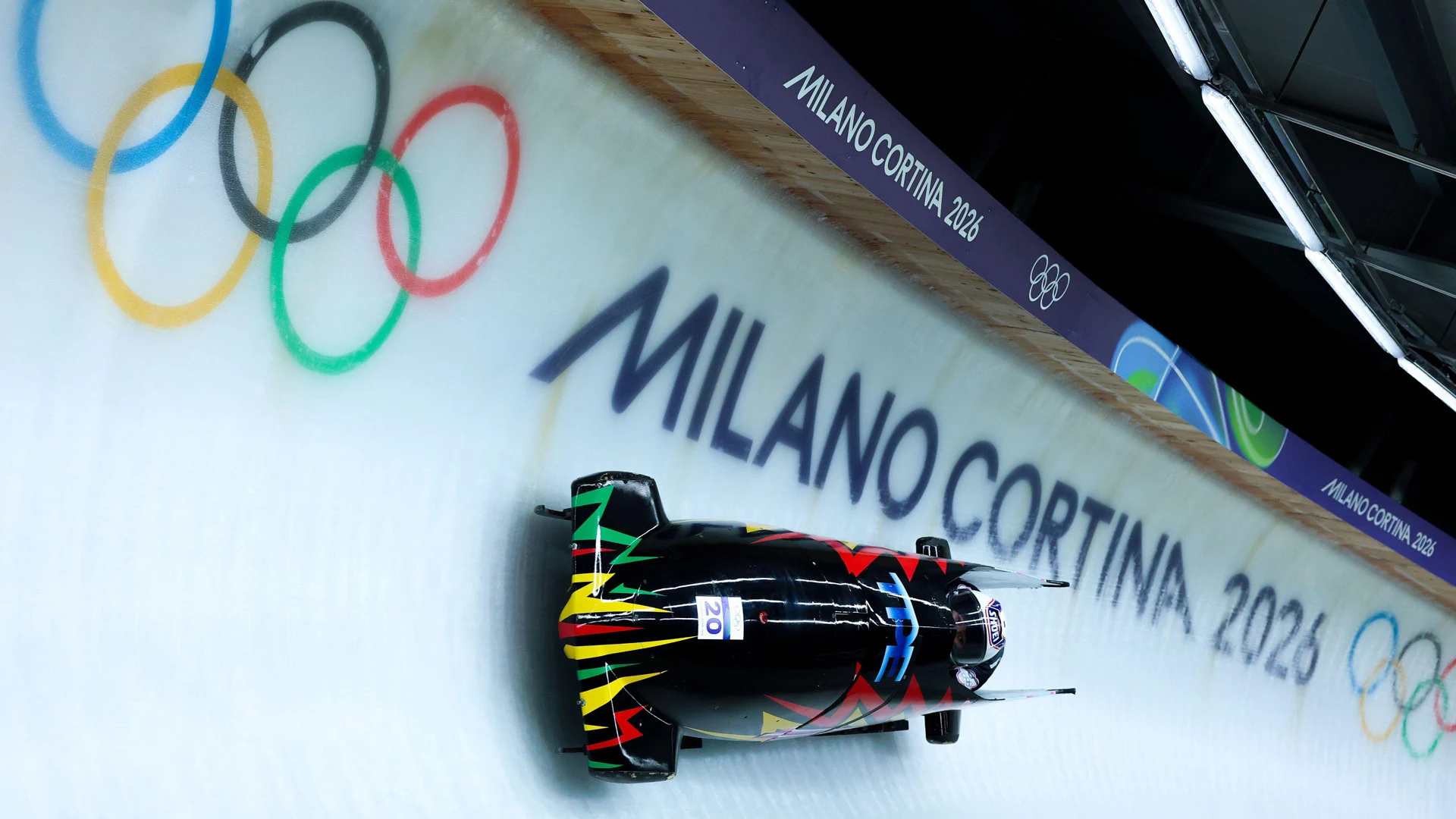
The latest Women’s Sport Trust Visibility Report, 'The Battle for Attention', with broadcast analysis from GSIQ, highlights record streaming levels, continued audience growth and new opportunities for women’s sport. Beyond the headline figures, five insights reveal what rightsholders and governing bodies can learn about attention, momentum, content strategy, athlete visibility and mixed-gender events.

GSIQ’s latest global research into the next generation of sports fans reveals how young people in the UK engage with sport both as participants and fans. Based on research across 11 international markets, the UK white paper explores sports participation, fandom drivers, media consumption habits, reasons for quitting sport, sponsorship perceptions and the future appetite for sport among 15–25-year-olds.