Sport MENA

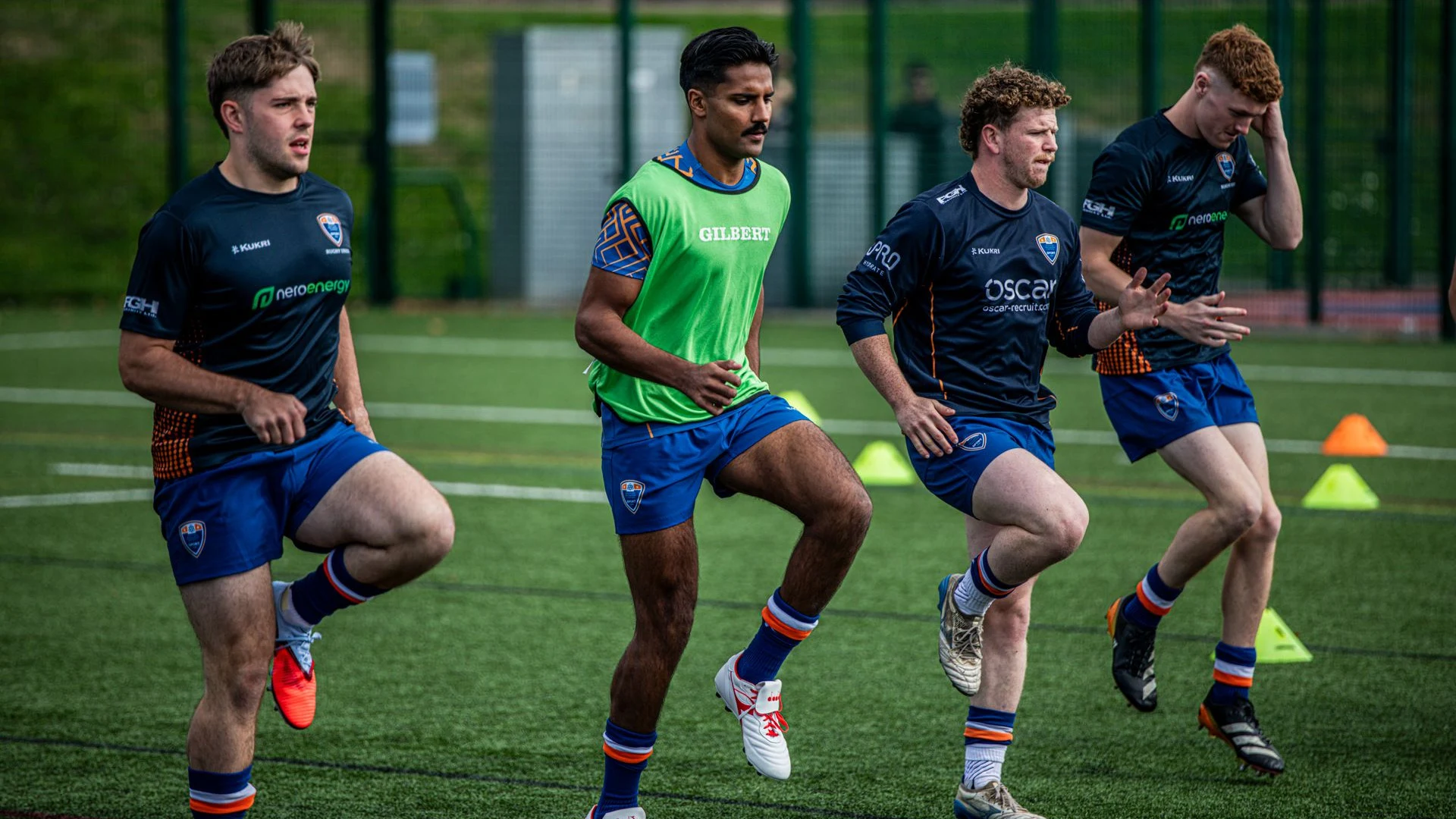
GSIQ’s latest global research into the next generation of sports fans reveals how young people in MENA engage with sport both as participants and fans. Based on research across 11 international markets, the MENA white paper explores sports participation, fandom drivers, media consumption habits, reasons for quitting sport, sponsorship perceptions and the future appetite for sport among 15–25-year-olds.

Every sports governing body collects data. But having data is not the same as having the evidence needed to make better decisions. Before collecting more, organizations should ask whether the data they already have are fit for purpose, connected to the broader picture, and reaching the people making the decisions.
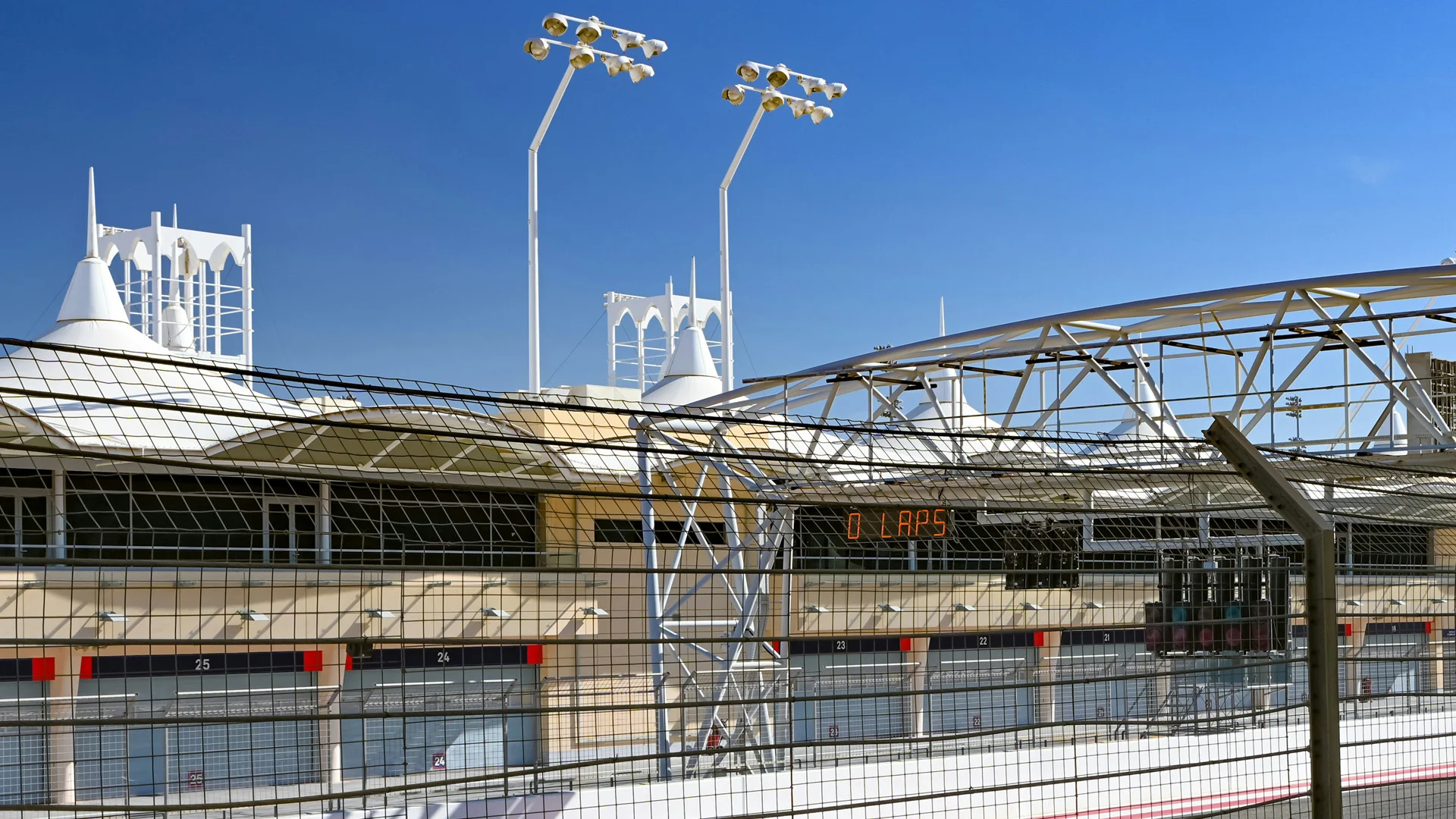
Few things concentrate the mind of a sponsorship manager quite like a cancelled competition. Whether caused by extreme weather, geopolitical instability or, as seen in 2020, a global pandemic, the removal of an event from the calendar creates immediate commercial questions. As recent disruption linked to the Middle East has shown, the impact is not limited to the race itself. While Covid exposed the fragility of sponsorship models built around live spectacle, it also highlighted the value of content, community and digital infrastructure in maintaining sponsor value when events cannot take place
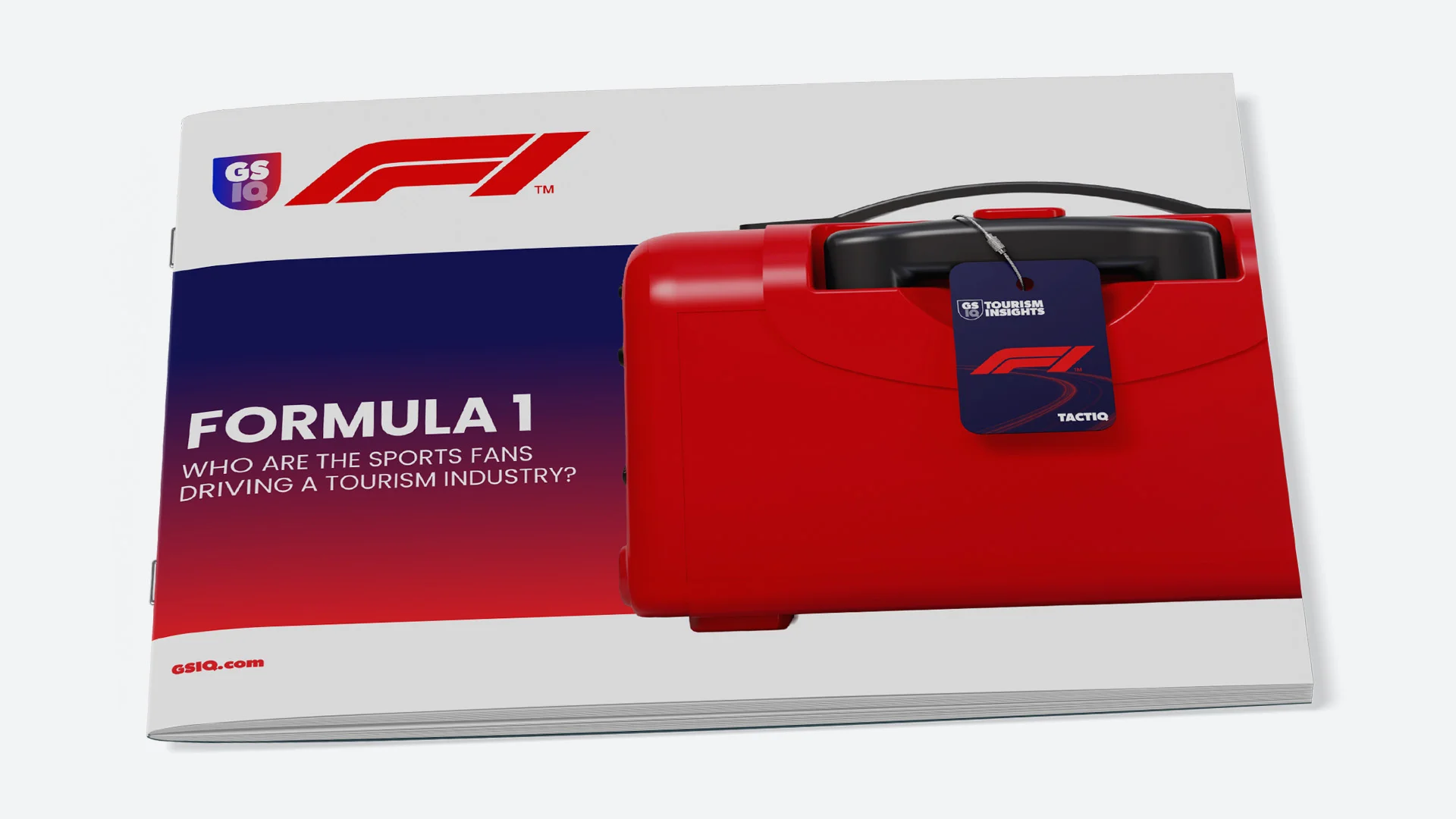
Formula 1 now sells enough tickets each season to rank among the world’s major events. But unlike most mega-events, the championship moves from city to city, creating a travelling wave of sports tourism. Using data from TACTIQ, GSIQ analysed the fans most likely to travel for F1, examining their demographics, travel habits and destination preferences. The findings show how these fans differ from other travellers and why they represent a particularly valuable tourism segment.

The Saudi Pro League’s global ambitions are no longer just talk. It's growth is measurable. With 57,000 hours of global broadcast coverage, rising social visibility, and expanding reach across new markets, GSIQ data shows why this could be the season the world starts taking Saudi football seriously.