Sport Americas

Every sports governing body collects data. But having data is not the same as having the evidence needed to make better decisions. Before collecting more, organizations should ask whether the data they already have are fit for purpose, connected to the broader picture, and reaching the people making the decisions.
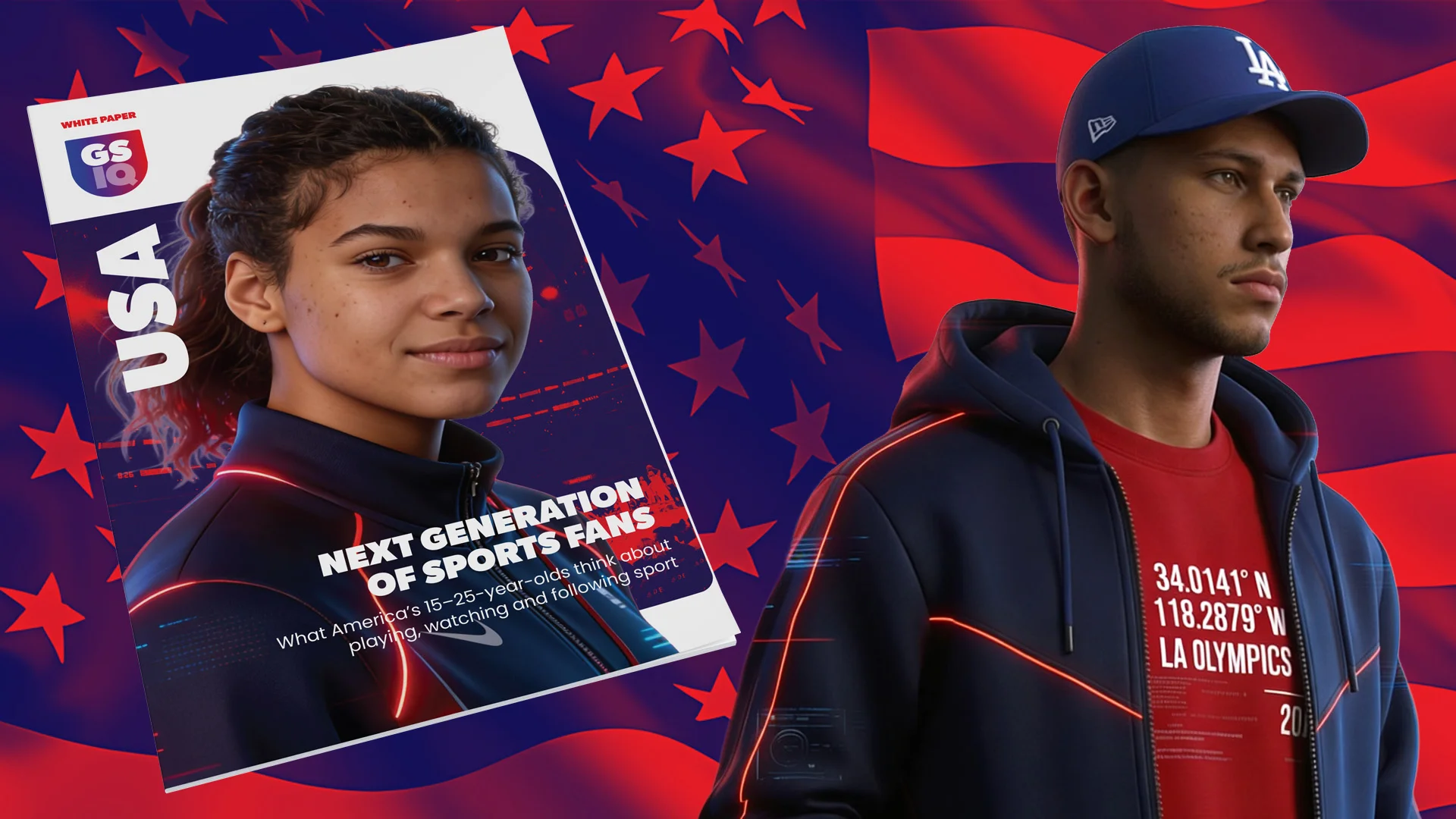
GSIQ’s latest global research into the next generation of sports fans reveals how young people in the United States engage with sport both as participants and fans. Based on research across 11 international markets, the USA white paper explores sports participation, fandom drivers, media consumption habits, reasons for quitting sport, sponsorship perceptions and the future appetite for sport among 15–25-year-olds.

We asked 5,000 young people across 11 markets one big question: what will it take to make you a sports fan? Our first findings from the UK and U.S. reveal what drives fandom, where sports are successfully converting participants into fans, and what barriers prevent deeper engagement. The research explores the gap between casual fans and superfans, and highlights what young people say would make them more connected to sport in the years ahead.

New analysis from GSIQ’s TACTIQ consumer travel tracker examines travelers who are using the FIFA World Cup in the United States as the main vacation of their year. The research explores who they are travelling with, where they plan to stay, how they intend to move around the country, what activities they enjoy beyond football, their key travel concerns, and the channels they use to plan their trips.

Few things concentrate the mind of a sponsorship manager quite like a cancelled competition. Whether caused by extreme weather, geopolitical instability or, as seen in 2020, a global pandemic, the removal of an event from the calendar creates immediate commercial questions. As recent disruption linked to the Middle East has shown, the impact is not limited to the race itself. While Covid exposed the fragility of sponsorship models built around live spectacle, it also highlighted the value of content, community and digital infrastructure in maintaining sponsor value when events cannot take place
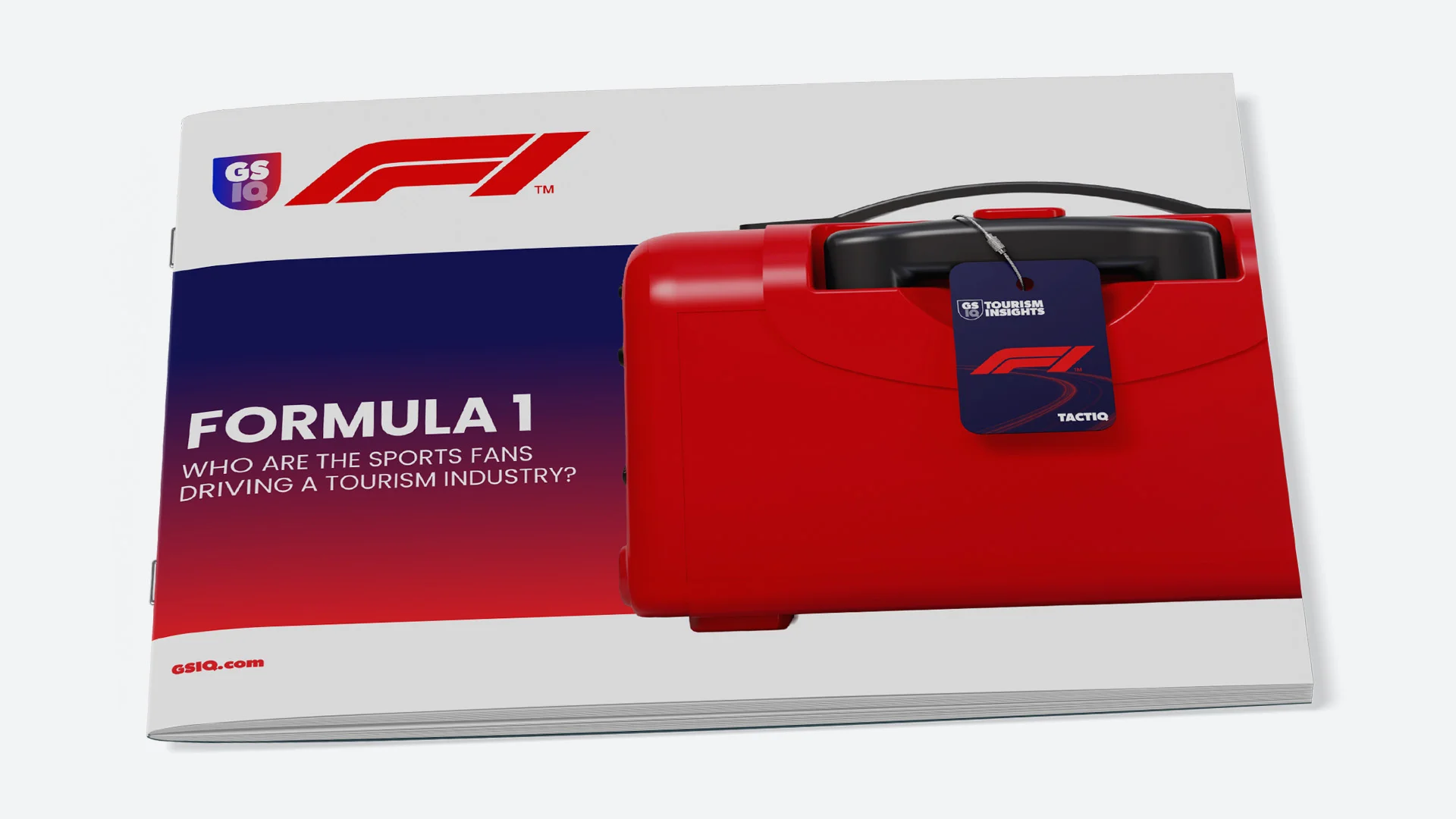
Formula 1 now sells enough tickets each season to rank among the world’s major events. But unlike most mega-events, the championship moves from city to city, creating a travelling wave of sports tourism. Using data from TACTIQ, GSIQ analysed the fans most likely to travel for F1, examining their demographics, travel habits and destination preferences. The findings show how these fans differ from other travellers and why they represent a particularly valuable tourism segment.

With the USA men qualifying for the 2027 Rugby World Cup in Australia, the next two years represent a critical growth window for rugby in the United States. While participation among young Americans remains low (3%), curiosity about the sport slightly exceeds current playing levels. Data shows that entertainment, community, identity and family tradition are key drivers of sports fandom among 15–25-year-olds — suggesting rugby’s growth opportunity may lie as much in fan development as grassroots participation.